Overview of the Proposed Sanctions
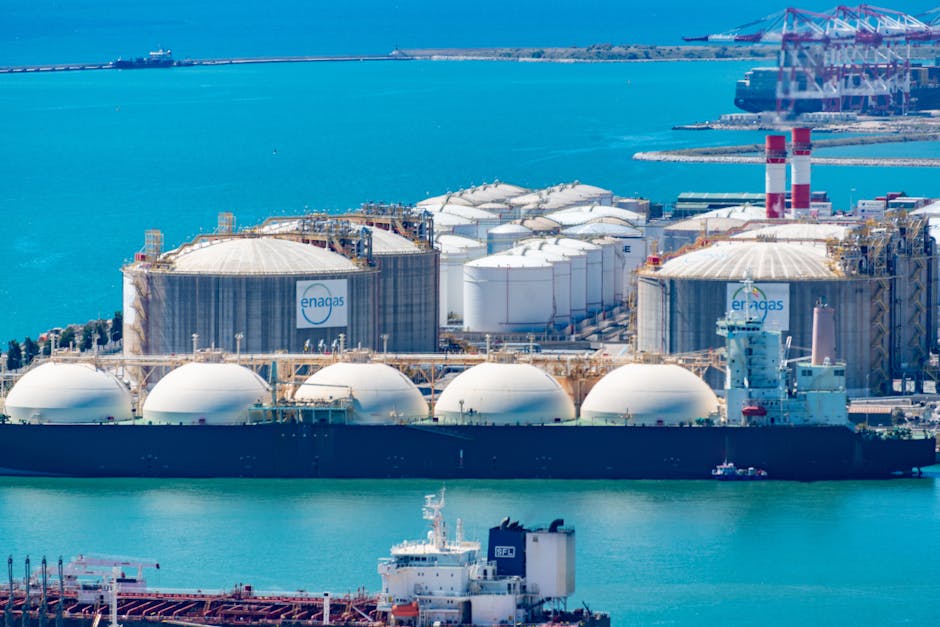
The European Commission has unveiled its 19th package of sanctions against Russia, aiming to further economically pressure Moscow over its ongoing conflict with Ukraine. A key component of this package is a proposed ban on imports of Russian liquefied natural gas (LNG) into the European Union, set to take effect by January 1, 2027.
Details of the Sanctions Package
The proposed sanctions package is designed to target Russian energy revenues and financial systems. The ban on Russian LNG imports marks a significant escalation in the EU's efforts to reduce its dependence on Russian energy. This move is expected to accelerate the phase-out of Russian gas in Europe.
In addition to the LNG ban, the package includes a full transaction ban on Russia's major energy companies, Rosneft and Gazpromneft. It also targets 118 vessels described as part of a "shadow fleet," as well as third-country traders and refineries that have been facilitating Russian oil exports.
Current Status of Russian LNG Imports in the EU
Despite the impending ban, several European Union countries continue to import Russian natural gas. According to recent statements, eight EU countries - Belgium, France, Greece, Hungary, the Netherlands, Portugal, Slovakia, and Spain - still receive Russian gas.
Impact on European Energy Markets
The proposed ban on Russian LNG imports is seen as a critical step toward ending the EU's reliance on Moscow for energy. This move is part of a broader strategy to diversify energy sources and reduce vulnerability to Russian supply disruptions.
Ursula von der Leyen, President of the European Commission, emphasized the importance of cutting Russian fossil fuel revenues. > "Russia's war economy is sustained by revenues from fossil fuels. We want to cut these revenues. So we are banning imports of Russian LNG into European markets. It is time to turn off the tap. We are prepared for this."
Challenges and Reactions
The proposal has faced resistance from some EU member states, including Hungary and Slovakia. These countries have expressed concerns about the potential impact on their energy supplies and have urged a more gradual phase-out of Russian gas.
The delay in implementing the sanctions package has been attributed to various factors, including pressure from external parties and the need for further negotiations among EU member states.
Expert Insights
Dan Jørgensen, a Commissioner involved in the sanctions discussions, highlighted the significance of the LNG ban. > "This will make this phase out of Russian gas in Europe much faster."
Conclusion
The European Commission's proposal for a complete ban on Russian LNG imports by 2027 represents a major escalation in the EU's economic pressure on Russia. As the EU moves to implement these sanctions, it faces challenges from member states concerned about energy security. The outcome will have significant implications for European energy markets and the broader geopolitical landscape.
The proposed sanctions package reflects the EU's commitment to reducing its dependence on Russian energy and supporting Ukraine in its conflict with Russia. The ban on Russian LNG imports is a key component of this strategy, aimed at cutting Russian fossil fuel revenues and promoting energy diversification.