Overview of the Protests
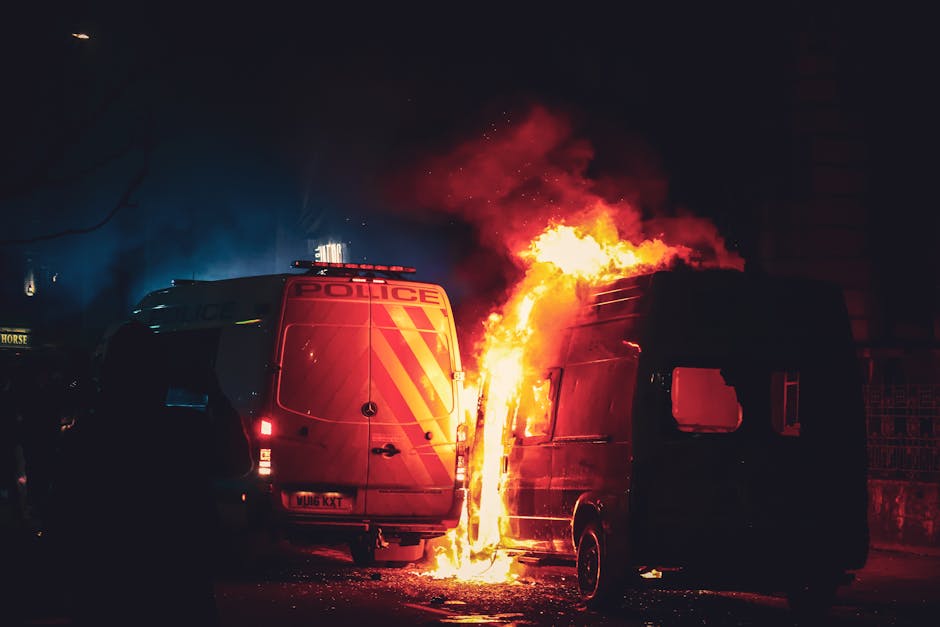
Violent protests swept across Nepal on September 8, 2025, primarily led by young people from Generation Z. The demonstrations, sparked by a government ban on 26 social media platforms, rapidly escalated into widespread unrest against political corruption and inequality.
Causes of the Protests
The immediate trigger for the protests was the government's decision to block access to popular social media sites, including Facebook, YouTube, and X. The ban was officially imposed due to the companies' failure to register with the Nepalese authorities. However, the protests quickly evolved into a broader movement against corruption, nepotism, and economic inequality.
Violent Confrontations and Casualties
On September 8, 2025, thousands of protesters took to the streets in Kathmandu and other cities, demanding the government's resignation and an end to corruption. The police responded with force, leading to violent confrontations. At least 19 people were killed, and hundreds more were injured in the clashes.
Key Events
- Protesters torched the parliament building and the homes of government officials.
- The prime minister, KP Sharma Oli, resigned amid the unrest.
- The protests forced the resignation of several high-ranking officials.
- A curfew was enforced in Kathmandu to restore order.
Government Response
The government deployed the army to maintain order and enforce the curfew. The authorities also imposed restrictions on social media to prevent the spread of information that could further inflame tensions.
Expert Insights
Aftermath
In the aftermath of the protests, Sushila Karki was sworn in as the interim prime minister. The government faced pressure to address the underlying issues that led to the protests, including corruption and economic inequality.
International Reactions
The international community has been closely watching the developments in Nepal, with many countries expressing concern over the use of force against protesters.
Analysis
The protests in Nepal highlight the growing frustration among young people with the political and economic situation in the country. The government's response to the protests has been criticized, and there are calls for a more inclusive and participatory approach to addressing the country's challenges.
Detailed Timeline
- September 8, 2025: Protests erupt in Kathmandu and other cities against the government's social media ban and corruption.
- September 9, 2025: Violence escalates; at least 19 people killed, hundreds injured.
- September 10, 2025: Prime Minister KP Sharma Oli resigns.
- September 11, 2025: Curfew enforced in Kathmandu to restore order.
- September 12, 2025: Death toll rises to 51, according to police.
Background
Nepal has a history of political instability and protests. The current unrest reflects deeper issues of corruption, inequality, and dissatisfaction with the political establishment.
Conclusion
The protests in Nepal have brought to the forefront the need for the government to address the concerns of its citizens, particularly the young people who are demanding change.
Future Implications
The outcome of the protests and the government's response will have significant implications for Nepal's political and economic future.
Recommendations
- The government should engage in dialogue with protesters and address their concerns.
- Measures should be taken to reduce corruption and increase transparency.
- The government should work to restore trust and build a more inclusive and participatory political process.
Final Thoughts
The situation in Nepal remains fluid, with many questions about the country's future. One thing is certain: the protests have brought attention to the need for change and the importance of addressing the concerns of all citizens.