Background and Recent Developments
A significant escalation in tensions between Russia and NATO has led to a substantial bolstering of the alliance's defenses along its eastern flank. This move comes in response to a series of aggressive actions by Russia, including the launch of drones into Polish airspace and the initiation of joint military drills with Belarus.
Drone Incursions into Poland
On September 10, Poland reported that at least 19 Russian drones entered its airspace, with three to four being shot down by Polish and NATO aircraft. This incident marked the first time NATO engaged Russian military assets over Polish territory since the onset of the full-scale war in Ukraine. The Polish government denounced the action as a deliberate provocation.
NATO's Response: Operation Eastern Sentry
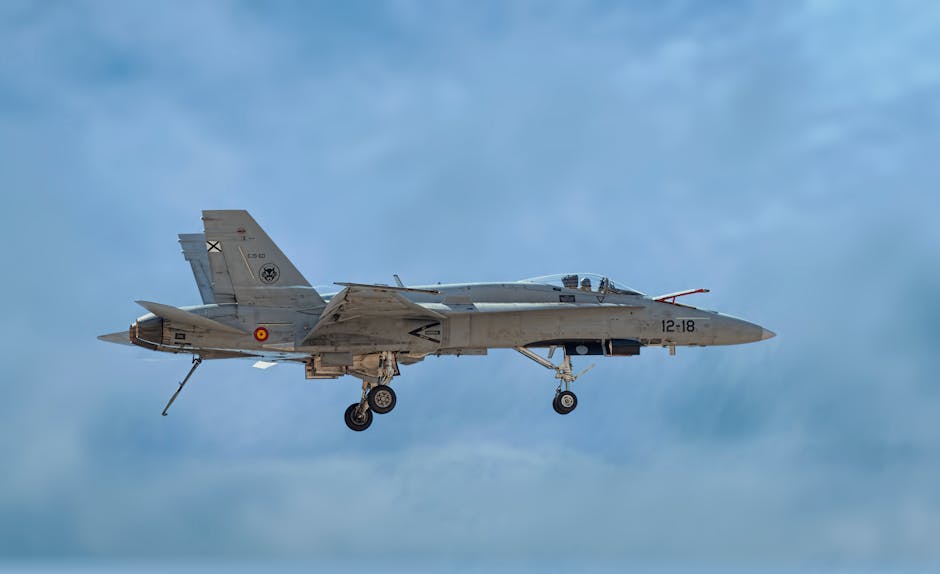
In response to these developments, NATO has launched a new operation dubbed 'Eastern Sentry.' This initiative aims to enhance the alliance's defensive posture along its eastern flank, which borders Belarus, Russia, and Ukraine. The operation includes new equipment from France, Denmark, Germany, and the UK to be integrated into existing air and ground-based defenses.
Russia-Belarus Military Drills
Concurrently, Russia and Belarus have begun joint military drills, described as simulating the repulsion of an attack against both countries. These exercises, known as Zapad-2025, have raised concerns among European leaders about the potential for increased hostility and the threat to regional stability.
International Reactions and Calls for Sanctions
The incidents have prompted strong reactions from international leaders. Ukrainian President Volodymyr Zelensky called for a powerful 19th sanctions package from the EU, targeting Russia's banking sector, banks in third countries trading with Russia, and the 'shadow fleet' infrastructure funding Russia's war budget.
Implications and Future Developments
The ongoing situation has significant implications for regional and global security. The bolstering of NATO's defenses and the imposition of sanctions reflect the international community's efforts to deter further Russian aggression. As the situation continues to evolve, the responses from both Russia and NATO will be closely watched for any signs of escalation or de-escalation.
Expert Insights
Military analysts suggest that Russia's actions are part of a broader strategy to test NATO's resolve and defenses. The alliance's response, therefore, is crucial in demonstrating its commitment to collective defense and deterrence.
Conclusion
The recent drone incursions into Poland and the initiation of joint Russia-Belarus military drills have significantly heightened tensions between Russia and NATO. The alliance's launch of Operation Eastern Sentry and the calls for increased sanctions against Russia reflect the seriousness of the situation. As the international community watches closely, the developments will likely have far-reaching implications for global security and diplomacy.