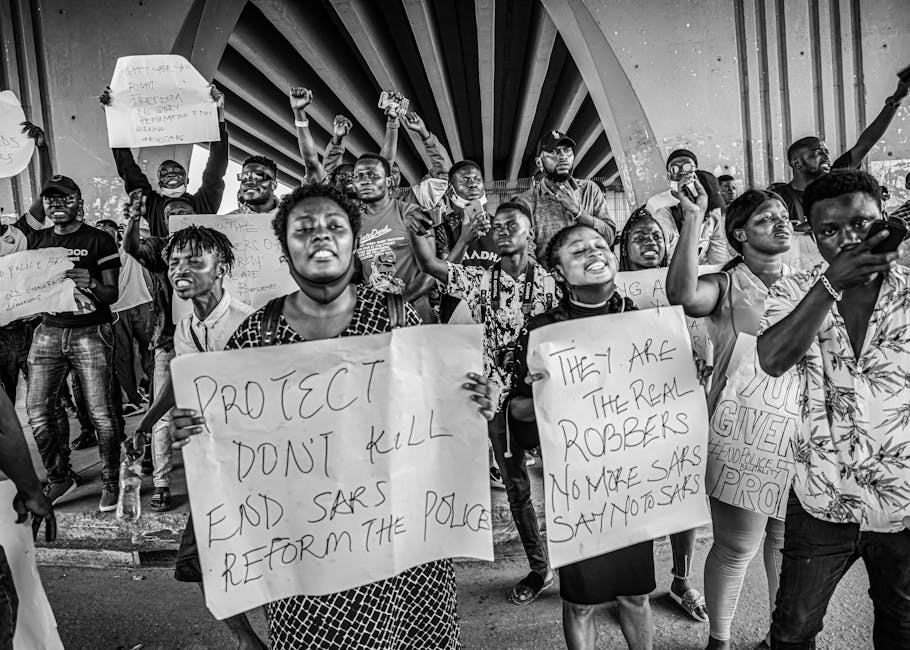
Reopening of the Inquest
Nearly 48 years after the death of prominent anti-apartheid activist Steve Biko in police custody, South African prosecutors have reopened the inquest into his death. Biko, the founder of South Africa's Black Consciousness Movement, died in a prison cell in 1977 at the age of 30, after being beaten into a coma by police who had arrested him nearly a month earlier.
Background of the Case
The circumstances surrounding Biko's death sparked outrage across the world and became a focal point in the fight against apartheid in South Africa. His death was seen as a martyr in the struggle against white-minority rule. The initial investigation and inquest concluded that no one was to blame for his death, a finding that has been contested by Biko's family and supporters.
Reasons for Reopening the Inquest
The decision to reopen the inquest comes after years of advocacy from Biko's family and human rights groups who have sought truth and justice in his death. The reopening of the inquest is seen as a significant step towards addressing the historical injustices of the apartheid era.
Investigation and Initial Findings
Biko was arrested on August 16, 1977, and was taken to the police headquarters in Port Elizabeth. He was beaten and interrogated, which resulted in severe brain injuries. He died four days later. The initial inquest concluded that his death was due to injuries sustained during the interrogation, but it did not assign blame to any specific individuals.
Implications and Reactions
The reopening of the inquest has been welcomed by Biko's family, who have long sought accountability for his death.
The case has also drawn international attention, with many viewing it as a symbol of the brutal suppression of anti-apartheid activists during that era.
Potential Outcomes
The reopening of the inquest may lead to new evidence coming to light and potentially identify those responsible for Biko's death. It may also contribute to a broader understanding of the apartheid regime's actions against anti-apartheid activists.
Historical Context
Steve Biko's death became a rallying cry for the anti-apartheid movement, both within South Africa and internationally. His legacy continues to influence South African politics and society.
The Anti-Apartheid Movement
The Black Consciousness Movement, founded by Biko, played a significant role in the fight against apartheid. The movement emphasized the need for black South Africans to take pride in their identity and to challenge the racist policies of the apartheid government.
Conclusion
The reopening of the inquest into Steve Biko's death marks a significant development in the pursuit of justice and truth regarding one of the most contentious cases of the apartheid era. As the inquest proceeds, it is likely to shed new light on the circumstances surrounding Biko's death and may contribute to a deeper understanding of this period in South African history.
The case continues to have implications for South Africa's ongoing efforts to confront its past and to promote reconciliation and healing.
Future Steps
The inquest's progress and findings will be closely watched by Biko's family, human rights groups, and the broader South African public. The outcome may have significant implications for the country's understanding of its past and its ongoing efforts to promote justice and accountability.
Additional Considerations
The reopening of the inquest also raises questions about other cases of human rights abuses during the apartheid era. There may be similar cases that warrant further investigation and potential reopening of inquests.
Ongoing Impact
The legacy of Steve Biko and the impact of his death continue to be felt in South Africa and beyond. The reopening of the inquest serves as a reminder of the ongoing struggle for justice and accountability in the country.